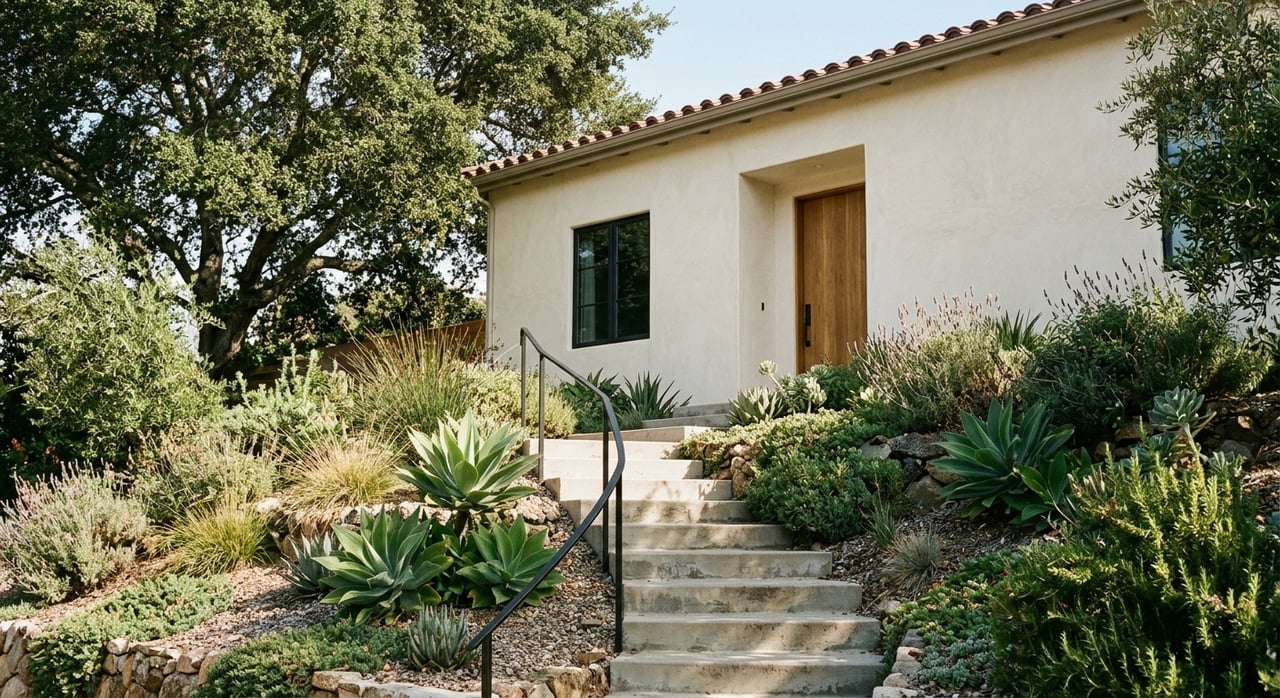
Looking for a Los Angeles neighborhood that feels a little quieter, a little greener, and still connected to the city around it? Montecito Heights stands out for exactly that reason. If you are trying to picture daily life here, this guide will help you understand the setting, housing feel, outdoor access, and neighborhood rhythm so you can decide whether it matches what you want. Let’s dive in.
Montecito Heights at a glance
Montecito Heights is part of Northeast Los Angeles, within the larger Los Angeles-Long Beach-Glendale area, and it sits in City Council District 1. City planning documents place it east of the Los Angeles River and south of the Arroyo Seco, with Montecito Heights and nearby Lincoln Heights forming part of the broader Northeast LA community fabric.
What makes the area feel distinct is its steep hillside setting. Planning documents describe Montecito Heights as a hillside neighborhood west of Monterey Road that is generally bypassed by regional non-freeway traffic. In practical terms, that often translates to a more tucked-away feel, even though you are still firmly in Los Angeles.
A tucked-away urban hillside feel
One of the best ways to understand Montecito Heights is to think of it as a hillside pocket within a larger network of Northeast LA communities. It is not an isolated suburb on the edge of town. Instead, it connects to places like Lincoln Heights, Highland Park, Cypress Park, Mount Washington, and Monterey Hills.
That mix gives the neighborhood a character that many buyers find appealing. You get a setting that can feel residential and somewhat removed from the busiest through-routes, while still being part of a very urban region with established surrounding neighborhoods.
The area also has deep roots. Community planning materials note that Lincoln Heights and Montecito Heights contain some of the oldest traces of urban development in Northeast LA, dating back to the 1870s. That history adds another layer to the neighborhood’s identity and helps explain why the area feels established rather than newly built.
Parks are a major part of daily life
If outdoor access matters to you, Montecito Heights has a strong advantage. Ernest E. Debs Regional Park is one of the neighborhood’s defining features, and it gives residents direct access to open space that can feel surprisingly expansive for Los Angeles.
LA Parks lists amenities at Ernest E. Debs Regional Park that include barbecue pits, picnic tables, a bike path, a hiking trail, and a pond. The park is open from dawn to dusk, which makes it useful for both weekday routines and weekend downtime.
The Audubon Center at Debs Park adds another dimension. Audubon describes the park as spanning 282 acres, with the center occupying 17 acres inside it. Public amenities include restrooms, a water fountain, picnic tables, the Butterfly Loop Trail, and the Children’s Woodland Trail.
For many people, this kind of access shapes what living in Montecito Heights feels like day to day. The park supports more than 140 bird species according to Audubon, and it also offers broad views from Northeast LA toward Downtown Los Angeles. That combination of hillside landscape, trails, and views is a big part of the neighborhood’s appeal.
Recreation goes beyond trails
Montecito Heights also has another important neighborhood amenity: the Montecito Heights Recreation Center on Homer Street. According to the LA Park Needs Assessment, the recreation center includes baseball fields, basketball courts, a picnic shelter, a playground, a soccer field, tennis courts, and a senior center.
That matters because it gives the neighborhood more than just scenic open space. It provides everyday recreational options that support a more active local lifestyle.
The senior center also points to a broader sense of community use. Its listed programming includes dance, arts and crafts, clubs, nutrition and lunch services, and health training. That makes the site feel like a neighborhood gathering point, not just a park you pass by.
Housing feels shaped by the land
Montecito Heights does not read like a flat-grid tract neighborhood. The terrain plays a major role in how streets and homes look and feel, and that is one of the clearest things you notice when learning about the area.
A strong example is the Montecito Drive Residential Historic District. City Planning describes it as a group of 39 parcels with platform or stilt single-family homes along a hillside street grid. The lots are narrow and steep, with steel support poles and garages or carports facing the street.
The district is noted for a predominantly Mid-Century Modern look, with homes built between 1961 and 1964. Even if you are not focused on architecture, this gives you a useful snapshot of the neighborhood’s design language. Montecito Heights is closely tied to its hillside topography, and that creates a more distinctive residential character than you might find in a more conventional layout.
Expect architectural variety, not sameness
If you are trying to picture the housing stock, the safest way to think about Montecito Heights is as a neighborhood with architectural variety within a steep hillside setting. Public planning documents support that description more clearly than any claim that one single housing type defines the whole area.
That is helpful for buyers because it sets realistic expectations. You may see different site layouts, different relationships between homes and the street, and different architectural styles shaped by the hillside terrain.
For sellers, that same uniqueness can matter too. A home in Montecito Heights is often part of a neighborhood story that includes topography, views, outdoor access, and a more distinctive residential feel within Northeast LA.
Getting around Montecito Heights
Transit and access are part of the conversation here, but they should be described realistically. Montecito Heights has a useful regional connection through nearby Metro A Line service, and Metro identifies Heritage Square Station as serving surrounding communities that include Montecito Heights.
That can be a meaningful benefit if you want rail access to other parts of Los Angeles. At the same time, the neighborhood is better described as rail-accessible than as a dense, highly walk-up urban environment.
This distinction matters when choosing where to live. Montecito Heights may appeal to you if you want a residential hillside setting with access to Northeast LA and nearby transit options, rather than a neighborhood centered on a major commercial corridor.
Community life feels local and ongoing
Some neighborhoods are defined by nightlife or shopping streets. Montecito Heights appears to be shaped more by residential character, parks, and local civic participation.
The city’s neighborhood council system is designed to represent local communities, and public notices from the Arroyo Seco Neighborhood Council show recurring Montecito Heights Local Issues Committee meetings in 2024 and 2025. That is a good signal that the neighborhood has an active local civic structure.
For residents, this can translate into a stronger sense of local identity. Even without a heavily commercial district at the center, Montecito Heights shows signs of organized neighborhood engagement and community attention to local issues.
Who Montecito Heights may appeal to
Montecito Heights can be a strong fit if you want a Los Angeles neighborhood with a more residential, hillside feel. It may especially appeal to buyers who value outdoor access, distinctive housing character, and a location within the Northeast LA network.
It can also make sense if you are drawn to homes with more unique site conditions and architectural personality. The hillside setting, the documented Mid-Century Modern presence on Montecito Drive, and the park access all contribute to a living experience that feels different from more typical grid-based neighborhoods.
For sellers, those same qualities help define how to position a property. The strongest story is often not just the home itself, but the combination of landscape, neighborhood setting, and proximity to major open-space amenities.
The bottom line on living here
Living in Montecito Heights means living in a part of Los Angeles where the land still shapes the neighborhood in a very visible way. You get a tucked-away urban hillside setting, meaningful park access through Ernest E. Debs Regional Park and the Montecito Heights Recreation Center, and a residential character tied to Northeast LA’s longer history.
If you are looking for a neighborhood that feels scenic, established, and connected without feeling exactly like the city’s busiest districts, Montecito Heights is worth a closer look. And if you want help understanding how a specific home or block fits into the bigger neighborhood picture, Isabelle Clark offers thoughtful, tailored guidance for buyers and sellers across Los Angeles.
FAQs
What is Montecito Heights like compared with other Northeast LA neighborhoods?
- Montecito Heights is best described as a tucked-away hillside neighborhood within Northeast LA, with strong park access, a residential feel, and connections to surrounding communities like Lincoln Heights, Cypress Park, Highland Park, Mount Washington, and Monterey Hills.
What outdoor amenities are available in Montecito Heights?
- Montecito Heights is anchored by Ernest E. Debs Regional Park, which includes hiking trails, picnic areas, a pond, and bike-path access, along with the Audubon Center at Debs Park and the Montecito Heights Recreation Center on Homer Street.
What kind of homes are found in Montecito Heights?
- Public planning documents support describing Montecito Heights as a hillside residential neighborhood with architectural variety, including the Montecito Drive Residential Historic District, known for platform or stilt single-family homes with a Mid-Century Modern look.
Is Montecito Heights connected to transit in Los Angeles?
- Yes. Metro identifies Heritage Square Station on the A Line as serving surrounding communities that include Montecito Heights, which supports describing the area as rail-accessible without overstating walkability.
Does Montecito Heights have an active local community presence?
- Yes. Public notices from the Arroyo Seco Neighborhood Council show recurring Montecito Heights Local Issues Committee meetings, which indicates ongoing local civic involvement.
