Thinking about selling your Ontario home soon? In a market where homes can go pending in about 25 days on one platform and median days on market sit at 47 on another, your preparation can make a real difference. If you want fewer surprises, stronger buyer interest, and a smoother path from listing to closing, it helps to start early and focus on the right tasks. Let’s dive in.
Why preparation matters in Ontario
Ontario is a somewhat competitive market. Over the three months ending May 2026, Redfin reported an average of 3 offers, a median sale price of $664,602, and 47 median days on market, while Zillow showed an average home value of $670,844 and homes going pending in about 25 days as of May 31, 2026.
Those numbers do not mean every home will sell instantly. They do suggest that when your home is priced well and presented well, buyers may move quickly. That is why a smooth sale often starts long before the sign goes up.
Start with a simple sale plan
A smooth sale usually follows a practical sequence instead of a rushed scramble. For most Ontario sellers, the safest approach is to handle inspections and budgeting first, move into cleaning and cosmetic updates next, and finish with photos and showing prep right before listing.
This timeline helps you spread out costs, avoid last-minute stress, and make better decisions about what is worth fixing. It also gives you time to gather documents that buyers may ask about during escrow.
What to do 6 to 12 months before listing
Consider a pre-sale inspection
If your home is older or has known issues, a pre-list inspection can be a smart first step. According to seller guidance cited in the research, this can help surface plumbing, roof, or electrical problems before a buyer's inspection creates delays or renegotiation.
That does not mean you must fix everything. It means you get more time to decide what to repair, what to budget for, and what you may need to disclose.
Gather records and manuals
As you plan ahead, start pulling together warranties, guarantees, and user manuals for systems and appliances that will stay with the home. This kind of paperwork may seem minor, but it can make your transaction feel more organized and transparent.
Buyers often appreciate clear records, especially when they are comparing several homes. Having these materials ready can also save time once your listing goes live.
Check permits for past work
If you have done additions or major improvements, this is a good time to confirm your records. The City of Ontario Building Department offers a permit portal and building permit activity reports that can help document prior work.
This step matters because buyers may ask whether changes were permitted. If you can answer clearly and provide documentation when available, you reduce uncertainty.
Know the AB 968 disclosure rule
If you acquired title within the previous 18 months, California AB 968 adds a disclosure duty for contractor-performed room additions, structural modifications, other alterations, or repairs. The law also calls for contractor names and permit copies when available.
If this applies to you, it is best to gather that information early. Waiting until you are already under contract can create avoidable pressure.
What to do 30 to 60 days before listing
Declutter with a buyer's eye
At this stage, the goal is usually not a major remodel. The stronger recommendations in the research focus on decluttering, deep cleaning, and improving curb appeal rather than taking on a full renovation.
Start by packing up least-used items and clearing surfaces, corners, and storage areas. A cleaner, simpler space tends to photograph better and helps buyers focus on the home instead of your belongings.
Deep clean the right areas
Seller prep guidance specifically recommends cleaning windows, carpets, walls, lighting fixtures, and baseboards. These are the kinds of details buyers notice during showings, even if they cannot always explain why a home feels fresher or more cared for.
If you are deciding where to spend time and money, a thorough cleaning often gives you more value than a flashy upgrade. Clean homes tend to signal good maintenance.
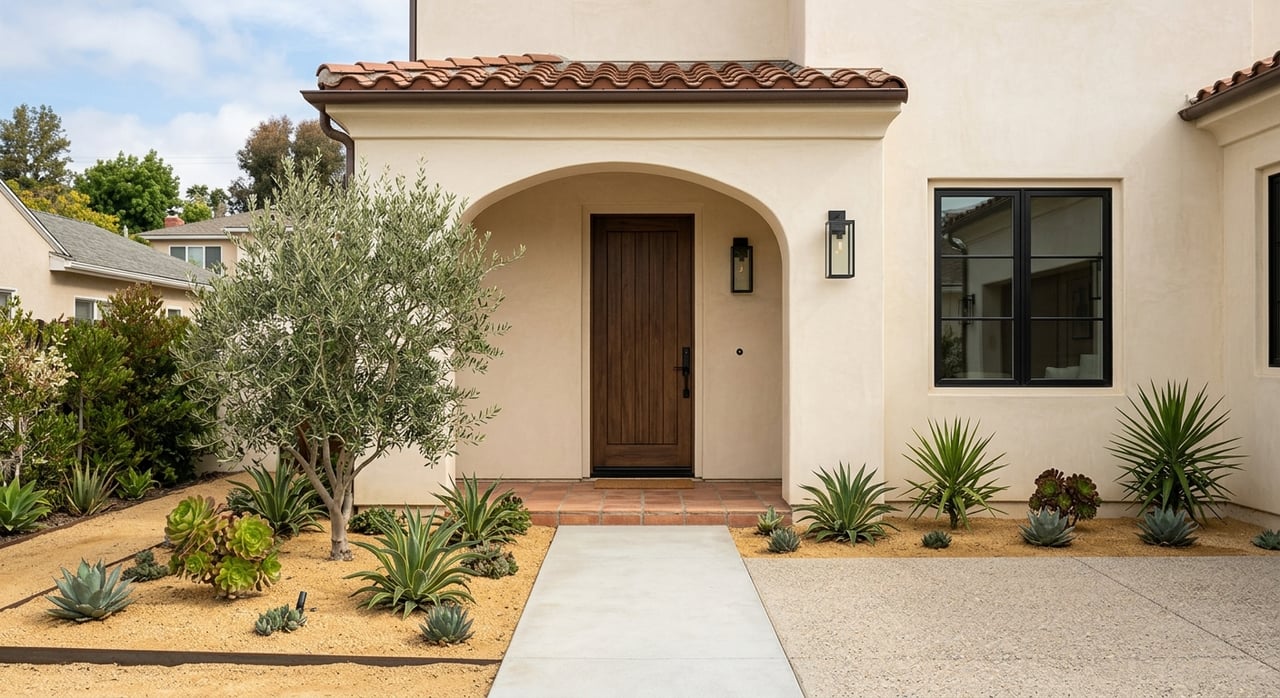
Improve curb appeal
Your front exterior creates the first impression, both online and in person. Research-backed prep recommendations include refreshing landscaping, improving the front entrance, and touching up paint where needed.
That does not mean you need a dramatic overhaul. In many cases, trimmed planting, a tidy walkway, and a clean entry area are enough to make the home feel more inviting.
Fix visible red flags
Buyers often react strongly to small issues that suggest larger maintenance problems. Peeling paint, burned-out bulbs, stained caulk, sticking doors, or obvious deferred maintenance can raise concern fast.
This is the phase to handle those distractions. You are not trying to make the home brand new. You are trying to reduce objections and help the property show as well cared for.
Do you need to renovate?
Usually, no. The research points to a practical approach: focus on cleaning, decluttering, curb appeal, and visible or likely buyer-objection items instead of diving into a full remodel.
That is good news if you want to protect your budget. Before spending heavily, it helps to ask whether the improvement will truly help presentation or solve a real issue that could affect negotiations.
What to do in the final 2 to 4 weeks
Decide whether to stage
Staging is not required, but it can help buyers picture themselves living in the home. NAR's 2025 profile found that 83% of buyers' agents said staging made it easier for buyers to visualize a property as a future home, and 31% said buyers were more willing to walk through a home they saw online.
Even light staging can help define rooms, improve flow, and make listing photos feel more polished. This is especially useful if a room is empty, crowded, or used in a way that may confuse buyers.
Prioritize professional photos
Photos play an important role in attracting buyers, and this is one area where strong execution matters. Research cited in the report also notes that buyers' agents rated photos, videos, physical staging, and virtual tours as important listing assets.
For a brand like Isabelle Clark, this aligns with a premium, high-touch listing approach. Professional photography can help your home make a stronger first impression before buyers ever schedule a showing.
Prepare for showings
As your launch gets closer, think through the logistics of daily showings. If possible, plan for pets to be removed during showings so buyers can move through the home with fewer distractions.
You will also want to keep the home consistently clean and easy to access. The simpler it is for buyers to tour the property, the easier it is to maintain momentum once your listing is active.
California disclosure steps to handle early
Transfer Disclosure Statement timing
California sellers should not leave disclosures until the last minute. Civil Code 1102 applies to most single-family residential transfers, and the California Department of Real Estate explains that the Transfer Disclosure Statement describes the property's condition and is not a warranty or a substitute for inspections.
Timing matters too. If the disclosure is delivered after an offer is executed, the buyer gets a termination right of 3 days if delivered in person or 5 days if delivered by mail.
Natural hazard disclosures
If your property is in a mapped hazard zone, California natural hazard disclosure rules may apply. Civil Code 1103 and 1103.2 cover areas such as special flood hazard areas, earthquake fault zones, seismic hazard zones, very high fire hazard severity zones, and wildland fire areas.
California's MyHazards tool and the California Geological Survey's EQ Zapp can help check an address, though the state notes that real estate disclosure information should be confirmed with local city or county government. Handling this early can help you avoid delays later.
Lead-based paint for older homes
If your Ontario home was built before 1978, lead-based paint rules may apply. The EPA states that sellers of most pre-1978 housing must disclose known lead-based paint information before the contract is signed, provide the EPA pamphlet, and give the buyer a 10-day opportunity to test for lead hazards.
The seller does not have to pay for that test. If your home falls into this category, it is best to prepare for this requirement before you hit the market.
A practical Ontario seller checklist
If you want a smoother sale, focus on the basics in the right order:
- 6 to 12 months out: consider a pre-list inspection, gather manuals and warranties, review permit records, and budget for likely repairs
- 30 to 60 days out: declutter, deep clean, improve curb appeal, and fix visible maintenance issues
- 2 to 4 weeks out: decide on staging, schedule professional photos, and prepare the home for showings
- Before listing or early in the process: organize disclosures, hazard information, and any records tied to major work or older-home requirements
The goal is confidence, not perfection
You do not need a flawless home to have a successful sale in Ontario. What you do need is a clear plan, honest preparation, and a presentation strategy that helps buyers see the home at its best.
When you start early, focus on the highest-impact tasks, and stay ahead of disclosure steps, you give yourself a better chance at a smoother transaction. If you are getting ready to sell in Ontario and want a thoughtful, no-pressure strategy backed by strong presentation, Isabelle Clark can help you plan your next move.
FAQs
How early should you prepare your Ontario home for sale?
- If possible, start 6 to 12 months before listing so you have time for inspections, budgeting, records, and later cosmetic prep.
Do you need to renovate before selling a home in Ontario?
- Usually no. The research supports focusing on cleaning, decluttering, curb appeal, and fixing visible issues instead of doing a full remodel.
Should you get a pre-list inspection for an Ontario home sale?
- Often yes, especially if your home is older or has known issues, because it can uncover roof, plumbing, or electrical concerns before a buyer's inspection.
Does staging help when selling a home in Ontario?
- Staging is not required, but it can help buyers visualize the home and may make them more willing to visit after seeing it online.
What disclosures matter when selling a home in Ontario, California?
- Depending on the property, key items may include the Transfer Disclosure Statement, natural hazard disclosures, permit-related records, AB 968 information if you took title within the prior 18 months, and lead-based paint disclosure for most pre-1978 homes.
