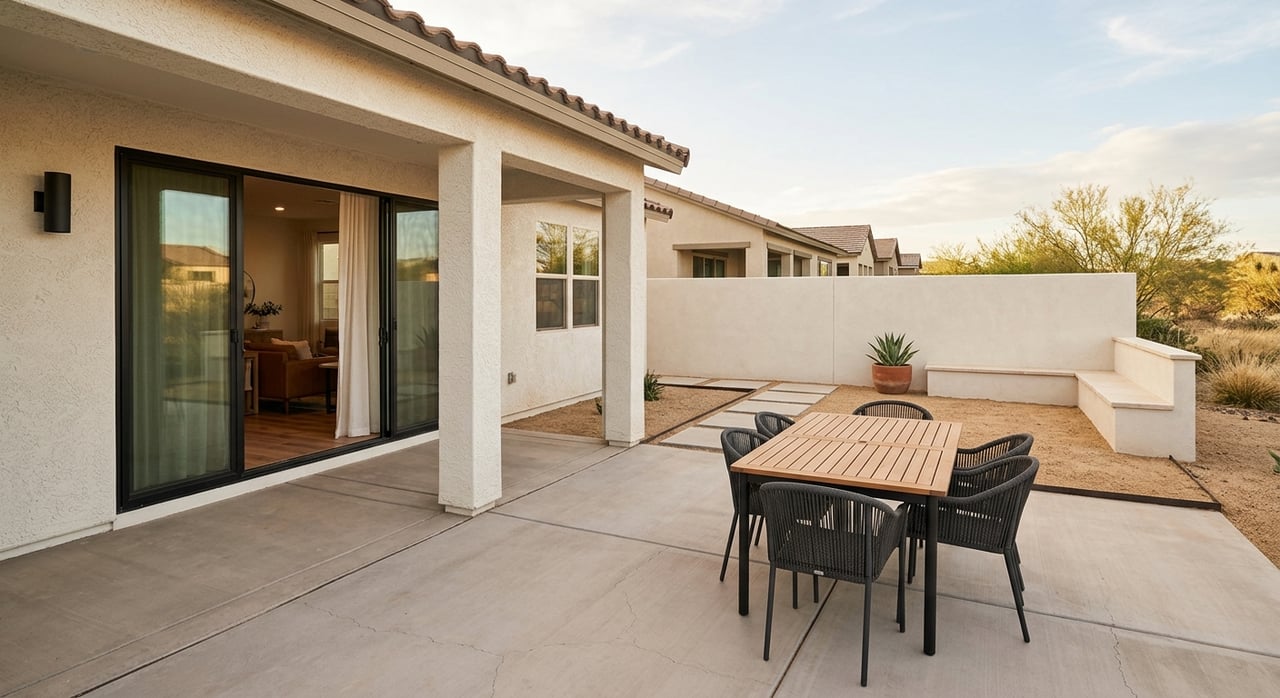
Thinking about trading Los Angeles traffic, density, and sky-high home prices for more space in Rancho Cucamonga? You are not alone, and the move can make a lot of sense if your priorities are changing. If you are wondering what actually gets better, what stays challenging, and what you should plan for before you move, this guide will help you sort through the real tradeoffs. Let’s dive in.
Rancho Cucamonga feels different
A move from Los Angeles to Rancho Cucamonga is not just a change of address. It is a shift in how your day-to-day life may feel. Rancho Cucamonga has about 176,675 residents, while Los Angeles has about 3.88 million, and Rancho is also much less dense.
That difference often shows up in the rhythm of daily life. Rancho Cucamonga is more suburban, more residential in feel, and more owner-occupied than Los Angeles. If you are looking for more breathing room, more privacy, and a setting that leans more toward homes than apartments, that shift may appeal to you.
The city’s planning and visitor materials also point to that lifestyle identity. Rancho Cucamonga highlights parks, trails, arts and culture, entertainment, and shopping destinations like Victoria Gardens, along with places such as the Lewis Family Playhouse and North Etiwanda Preserve. The Pacific Electric Trail also supports both recreation and everyday use.
Space may be the biggest draw
For many buyers, the strongest reason to move is simple: you may get a more ownership-friendly housing profile in Rancho Cucamonga. Census data shows a lower median owner-occupied home value in Rancho Cucamonga than in Los Angeles, along with lower median monthly owner costs for homes with a mortgage.
The median value of owner-occupied housing units is $740,200 in Rancho Cucamonga, compared with $921,200 in Los Angeles. Median monthly owner costs with a mortgage are $2,947 in Rancho versus $3,497 in Los Angeles. That does not mean every home is cheaper, but it does support the idea that ownership may pencil out differently here.
This is where expectations matter. The value story is strongest if you are buying, especially if you are moving from a denser LA housing market and want a more suburban setup. Rancho Cucamonga’s housing stock includes a mix of single-family detached homes, attached housing, multi-family housing, mixed-use housing, and accessory dwelling units.
Renting is not always cheaper
If you are planning to rent first, do not assume Rancho Cucamonga will automatically lower your monthly payment. Census data shows a median gross rent of $2,357 in Rancho Cucamonga versus $1,933 in Los Angeles.
That means the move should not be framed as a guaranteed rent-saving strategy. Instead, the more realistic takeaway is that Rancho may offer a different kind of value, especially if you want more residential surroundings or plan to buy. If you are weighing rent versus buy, your budget, timing, and long-term plans matter more than broad assumptions.
Commute changes need a reality check
One of the biggest misconceptions about moving east is that your commute will automatically improve. Citywide numbers do not really support that. The mean travel time to work is 32.3 minutes in Rancho Cucamonga and 30.7 minutes in Los Angeles.
In other words, your actual commute depends more on your route, work hours, and travel mode than on the city itself. If you still work in Los Angeles, your daily experience may improve, stay similar, or get harder depending on where you need to be and when.
This is why door-to-door planning matters so much before you move. Test your likely commute at real work hours, not just during a quiet weekend drive. If your job offers hybrid flexibility, that can make the move much more manageable.
Metrolink can be part of the plan
Rancho Cucamonga Station is served by Metrolink’s San Bernardino Line, which connects to L.A. Union Station with multiple weekday departures in both directions. For some buyers, that creates a practical rail option for at least part of the week.
There is one detail that is easy to miss. Parking at the Rancho Cucamonga station is paid permit only. If you are planning to drive to the station, that should be part of your routine and budget planning.
Local mobility is improving
Rancho Cucamonga is also adding another mobility layer through the GOAT shuttle system, announced by the city in late 2025. The service connects Ontario International Airport with major destinations in Rancho Cucamonga, including Victoria Gardens and the Metrolink station.
That does not make Rancho a transit-first city like parts of central Los Angeles. It does, however, add convenience for regional trips and local connections. If you travel often or want more options beyond driving everywhere, that is worth noting.
The housing market may still move fast
If you are hoping for a calmer buying experience, it is smart to stay grounded. Recent market snapshots show Rancho Cucamonga with a median sale price around $750,000, compared with about $1.0 million in Los Angeles. Those same snapshots describe Rancho as a very competitive market, with homes selling in about 46.5 days.
That means affordability and opportunity do not always equal easy negotiations. Well-priced homes can still draw strong interest. If you want to buy in Rancho Cucamonga, preparation matters.
A few smart steps can help:
- Get clear on your monthly budget before touring homes
- Review neighborhoods and home types that fit your goals
- Be ready to act quickly on listings that are priced well
- Build a realistic timeline for financing, inspections, and moving
Plan your move timeline early
If you are selling in Los Angeles and buying in Rancho Cucamonga, timing can become the hardest part of the whole move. A financed purchase is not something you wrap up in a few days. Standard purchase timelines often run about 30 to 45 days.
Mortgage closing is typically the final step in buying and financing a home. You also must receive the Closing Disclosure at least three business days before closing. That means your calendar needs structure from the start, especially if you are trying to line up a sale, a purchase, and a move.
Give yourself a buffer
A final walk-through usually happens just before closing. When you are moving across counties, small delays or mismatched dates can create unnecessary stress if your plan is too tight.
A little buffer can go a long way. Depending on your situation, that might mean flexible move-out dates, negotiated possession timing, or short-term housing between homes. Even if everything goes smoothly, having a backup plan makes the move feel more manageable.
What you may miss from Los Angeles
It helps to be honest about the tradeoffs. If you love the constant energy, density, and urban pace of Los Angeles, Rancho Cucamonga may feel quieter and more spread out. That is the point for many movers, but it can still take time to adjust.
You may also find that some conveniences work differently than they do in LA. Transit is more limited as a lifestyle choice, and driving often plays a bigger role in daily routines. The upside is that many buyers make that trade for more space, a more residential environment, and a stronger path toward ownership.
Who Rancho Cucamonga fits best
Rancho Cucamonga can be a strong fit if you are looking for a home that aligns with a more suburban lifestyle. That may include first-time buyers looking for a practical ownership option, move-up buyers who want more room, or LA households ready for a different pace.
The key is matching the move to your actual goals. If your top priorities are space, ownership potential, parks and trails, and a less dense setting, Rancho Cucamonga may feel like a smart next step. If your main goal is cutting rent or guaranteeing a shorter commute to Los Angeles, you will want to look more carefully at the numbers.
Final thoughts on the move
Moving from Los Angeles to Rancho Cucamonga can absolutely be worth it, but the biggest benefits are usually about lifestyle and ownership, not one-size-fits-all savings. You may gain more space, a more residential setting, and a market where buying can look more approachable than in Los Angeles. At the same time, you still need to plan your commute carefully, stay realistic about rental costs, and manage your timing with care.
If you want thoughtful guidance on how to time a sale, compare neighborhoods, or evaluate whether Rancho Cucamonga fits your budget and routine, Isabelle Clark offers a strategic, no-pressure approach designed to help you make a confident move.
FAQs
What is the biggest lifestyle change when moving from Los Angeles to Rancho Cucamonga?
- Rancho Cucamonga generally feels more suburban, less dense, and more residential than Los Angeles, with more owner-occupied housing and a stronger emphasis on space, parks, trails, and everyday convenience.
Is Rancho Cucamonga more affordable than Los Angeles for homebuyers?
- Census data shows lower median owner-occupied home values and lower median monthly owner costs with a mortgage in Rancho Cucamonga than in Los Angeles, which can make the ownership picture more favorable for some buyers.
Is Rancho Cucamonga cheaper than Los Angeles for renters?
- Not necessarily. Census data shows median gross rent is higher in Rancho Cucamonga than in Los Angeles, so renting there is not an automatic money-saving move.
How does commuting from Rancho Cucamonga to Los Angeles usually work?
- Your commute depends heavily on your exact destination, work schedule, and travel mode. Metrolink’s San Bernardino Line serves Rancho Cucamonga Station and connects to L.A. Union Station, but many residents still rely on driving for daily transportation.
How long does it take to buy a home when moving to Rancho Cucamonga?
- A financed home purchase often takes about 30 to 45 days, and buyers must receive the Closing Disclosure at least three business days before closing, so early planning is important.
Is the Rancho Cucamonga housing market competitive for buyers?
- Yes. Recent market snapshots describe Rancho Cucamonga as a very competitive market, so buyers should be prepared to move quickly when a well-priced home comes up.
