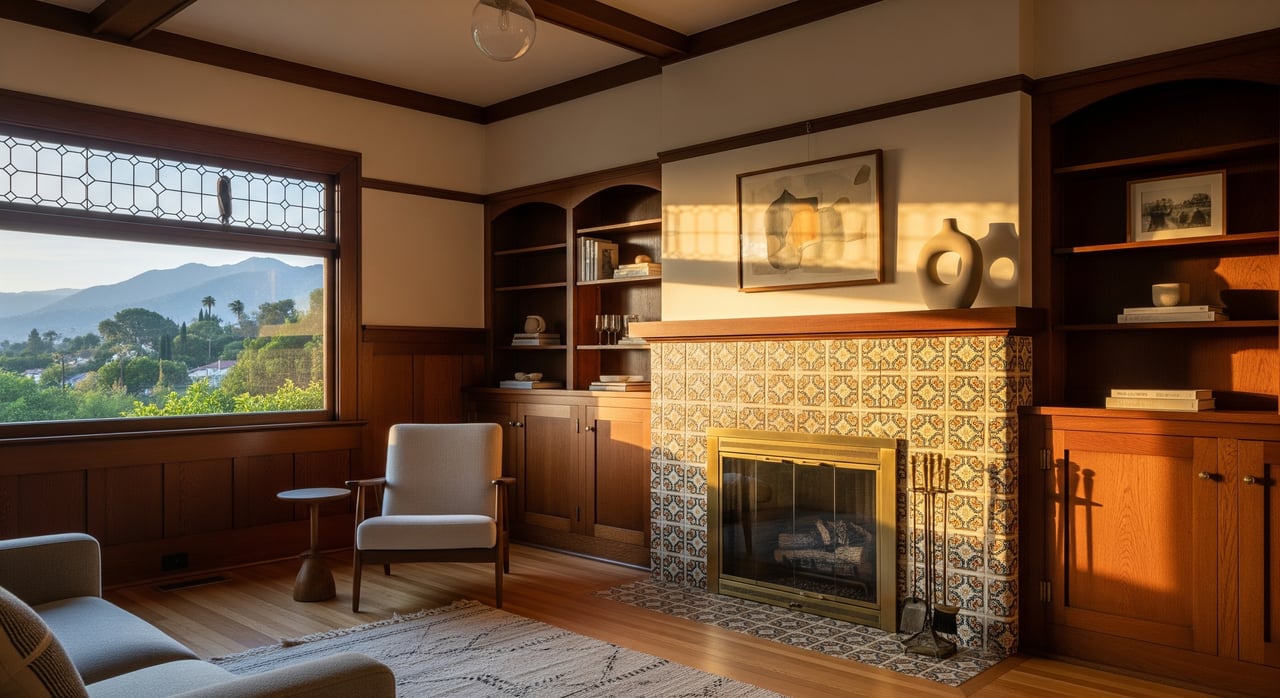
You have choices in Altadena that you will not find everywhere in Los Angeles. From cozy Craftsman bungalows to sunlit Spanish Revival homes and glassy mid‑century ranches, each style offers a different feel, layout, and level of upkeep. It can be hard to know which one fits your lifestyle and budget.
You want character and charm, but you also want smart decisions about inspections, renovations, and long‑term maintenance. In this guide, you will learn how the main Altadena home styles differ, what to watch for during due diligence, and how to narrow your search with confidence.
Let’s dive in.
How Altadena homes differ
Altadena sits at the base of the San Gabriel Mountains, just north of Pasadena. Buyers often reference Lower Altadena on the valley floor, the mid‑altitude streets around Lake Avenue, Altadena Drive, and Mendocino, and the foothill or canyon areas with steeper lots and views. Nearby Northeast LA neighborhoods like Highland Park, Eagle Rock, and Mount Washington attract many of the same buyers who love character homes.
Most Altadena character homes were built between the 1900s and the 1950s. That means original woodwork, plaster walls, and tile roofs show up alongside older systems and smaller original kitchens. Condition and modernization vary widely, which directly affects your timeline and budget after closing.
Some blocks or individual properties carry historic designation. If you fall in love with a home in a designated area, expect added steps for exterior changes and permits. Because Altadena is unincorporated Los Angeles County, you will work with county planning and building departments for permits and inspections.
Popular character styles
Craftsman bungalow
- What you will notice: Low‑pitched gabled roofs with wide eaves, exposed rafters, tapered porch columns, and wood siding or shingles. Deep front porches set the tone.
- Layout feel: One to one‑and‑a‑half stories. A welcoming living room with a fireplace and built‑ins flows to a separate dining room. Original kitchens and bedrooms are modest. Small attics or basements show up in some homes.
- Maintenance watchouts: Original wood trim and floors need regular care. Look for termite activity and rot at eaves and porches. Older wiring, including knob‑and‑tube or early upgrades, is common. Many homes were built without central AC.
- Remodel notes: Kitchen expansions are common and usually manageable. Routing new HVAC in compact attic space can be tricky. Exterior changes may need review if the home is historically designated.
- Best fit: You value craftsmanship, defined rooms, and a front‑porch lifestyle. You are open to cosmetic and mechanical updates to keep the character intact.
Spanish Revival and Mediterranean
- What you will notice: Smooth stucco, red clay tile roofs, arched openings, wrought iron accents, and colorful tile. Many homes include courtyards or loggias.
- Layout feel: Rooms often wrap around a patio or courtyard, with plaster walls and classic fireplaces. Indoor‑outdoor flow is a highlight.
- Maintenance watchouts: Stucco cracks can allow moisture in. Clay tile roofs last a long time but are heavy, which can affect structural needs. Older wiring and galvanized plumbing may still be in place.
- Remodel notes: Preserving the exterior look is straightforward, but roof work and seismic upgrades for heavy tile can be more costly. Reworking small kitchens or building into courtyards takes careful design.
- Best fit: You want indoor‑outdoor living, classic details, and lower lawn care. You are ready to plan for stucco and tile roof maintenance.
Mid‑century modern and ranch
- What you will notice: Low profiles, large windows, sliders to patios, and an honest connection to the landscape. Simple, horizontal lines and carports or attached garages are common.
- Layout feel: Open living, dining, and kitchen zones that make entertaining easy. Many are single level with larger footprints and a strong backyard connection.
- Maintenance watchouts: Flat or low‑slope roofs need good drainage and periodic membrane work. Single‑pane glass is less efficient. Some post‑war materials, such as older insulation or asbestos‑containing products, require evaluation.
- Remodel notes: Open plans simplify updates, but you will want to preserve spans and window patterns that define the style. Upgrading large glazing for energy performance needs thoughtful design.
- Best fit: You prefer clean lines, flexible spaces, and seamless indoor‑outdoor flow over ornate details.
Victorian and early 20th‑century
- What you will notice: Steeper roofs, decorative trim, asymmetry, and occasional towers or bays. These are less common but do exist in and around Altadena.
- Layout feel: More formal rooms, narrower halls, multi‑level plans, and smaller original closets and kitchens.
- Maintenance watchouts: Exterior trim requires ongoing care. Lead paint, older foundations, and attic issues are more likely due to age.
- Remodel notes: Preserving historic detailing can be complex. Expect more extensive structural and systems upgrades.
- Best fit: You are a period‑detail enthusiast and comfortable with higher maintenance and renovation planning.
Lots, parking, and setting
Many older Altadena homes sit on larger lots than you find in denser urban areas. Mature trees, driveways, and detached garages or carports are common. If you own larger vehicles or want a workshop, plan for possible garage expansion or driveway changes.
Foothill and canyon parcels can be irregular in shape and on slopes. That can mean views and privacy, but it also raises drainage, retaining wall, and foundation questions. Lower‑lying streets may call for careful stormwater planning. Build these site factors into your inspections.
Inspection checklist for character homes
Use this quick list to focus your due diligence:
- Structure and foundation: Look for settlement, sloping floors, and patchwork repairs. On hillside lots, ask about any soils or geotechnical reports if you see signs of movement.
- Roof and attic: Confirm roof type and age. Check for leaks, rafter rot, and attic ventilation and insulation.
- Electrical: Identify older panels, two‑prong outlets, or knob‑and‑tube wiring. Plan for a modern service upgrade if needed.
- Plumbing: Galvanized steel and cast iron may restrict flow. Verify water heater age and gas connections. Note any problematic materials in newer eras.
- Termites and wood: Request termite reports and look closely at porches, eaves, and any wood near grade.
- Hazardous materials: Lead paint and asbestos can be present in older homes. Removal or management requires proper planning.
- Drainage and grading: Confirm positive drainage away from the house, working gutters, and safe stormwater routes, especially on sloped lots.
- HVAC and insulation: Many older homes lack ducted AC or modern insulation. Note opportunities for energy upgrades.
Seismic, fire, and insurance
Older homes built before modern seismic codes often need foundation bolting, cripple wall bracing, and chimney reinforcement. Ask for any retrofit records and consider a seismic evaluation as part of your inspections.
Parts of the Altadena foothills have elevated wildfire exposure. Brush clearance and defensible space rules may apply, and they can affect ongoing landscaping and insurance availability. Earthquake damage is not covered by standard homeowners insurance, so factor earthquake policy costs into your total budget.
Permits, historic rules, and ADUs
If a property is in a designated historic district or is individually recognized, exterior changes and public‑facing alterations may require design review. Interior updates are often more flexible, but always verify before planning significant work.
Because Altadena is unincorporated, permits go through Los Angeles County. California allows accessory dwelling units statewide, but local permitting, setbacks, sewer capacity, and any historic rules still apply. Confirm feasibility early if you plan to add an ADU or expand.
Budget and renovation planning
Cosmetic refreshes like paint, floors, and a kitchen tune‑up usually cost less and move faster than structural changes. The biggest line items on older homes tend to be systems work, such as electrical panels, re‑piping, new HVAC, and seismic upgrades.
Tile roof replacement and structural work on hillside lots can add complexity and cost. For larger projects, get multiple contractor bids and involve structural or geotechnical engineers where required. If you are buying a fixer, plan a realistic timeline so renovations do not overlap key life events.
Search tactics that work
Start with how you want to live, not just the exterior style. Decide if you need single‑level living, how many bedrooms and baths you require on the main floor, and how much storage you need. Then weigh that against your preferred aesthetic.
Use photos, floor plans, and virtual tours to confirm room sizes and flow. Character homes can have smaller original kitchens and closets. If intact woodwork is a must, focus on homes that have not been heavily altered. If turnkey is essential, lean toward homes with recent system upgrades and modernized kitchens and baths.
Pull comparable sales by subarea, style, lot size, and renovation level. Well‑preserved original features often support stronger resale, while heavy alterations can lower appeal. Because prices and days on market shift quickly, refresh your comp set often.
Financing paths to consider
- Conventional financing: A strong fit for homes in solid condition when you have the required down payment and reserves.
- Renovation loans: FHA 203(k) and Fannie Mae HomeStyle let you fold renovation costs into a single mortgage, subject to program rules. Work with a lender experienced in renovation financing in Los Angeles County.
- Assistance programs: First‑time buyer grants and loans can help with down payment or closing costs. Programs change often, so check what is available when you are ready to shop.
- Insurance planning: Include earthquake and wildfire coverage in your total cost picture. Some carriers may have requirements for defensible space in higher fire‑risk areas.
Make a confident choice
Choosing the right Altadena character home is about matching lifestyle to layout and being realistic about maintenance. Craftsman bungalows reward you with warm wood and porches. Spanish Revival homes deliver courtyards and classic stucco and tile. Mid‑century and ranch homes give you light, openness, and flow. Each path works when your inspections are thorough and your budget accounts for the right upgrades.
If you want a guided, no‑pressure plan for your search, reach out to Isabelle Clark. You will get tailored listings, smart comps, and a step‑by‑step strategy for inspections, permits, and financing so you can buy with confidence.
FAQs
How to choose between Craftsman and Spanish homes
- Match your lifestyle. Craftsman offers woodwork, porches, and defined rooms, while Spanish focuses on stucco, arches, and courtyards with indoor‑outdoor flow.
What historic rules mean for remodeling in Altadena
- Historic districts can restrict exterior changes that face the street, while interior updates are usually more flexible, so verify requirements before planning work.
Biggest hidden costs with character homes
- Systems upgrades, seismic retrofits, roof work, termite remediation, and drainage or foundation repairs on hillside lots are common higher‑ticket items.
Adding an ADU to an Altadena character home
- ADUs are broadly allowed in California, but county permitting, setbacks, sewer capacity, and any historic rules will shape what is feasible on your lot.
Wildfire risk near the Altadena foothills
- Some foothill and canyon areas have higher fire exposure, so check brush clearance requirements, insurance availability, and defensible space obligations early.
Best financing for a fixer in Altadena
- Consider FHA 203(k) or Fannie Mae HomeStyle renovation loans to combine purchase and rehab costs, and use a lender familiar with renovation programs in LA County.
