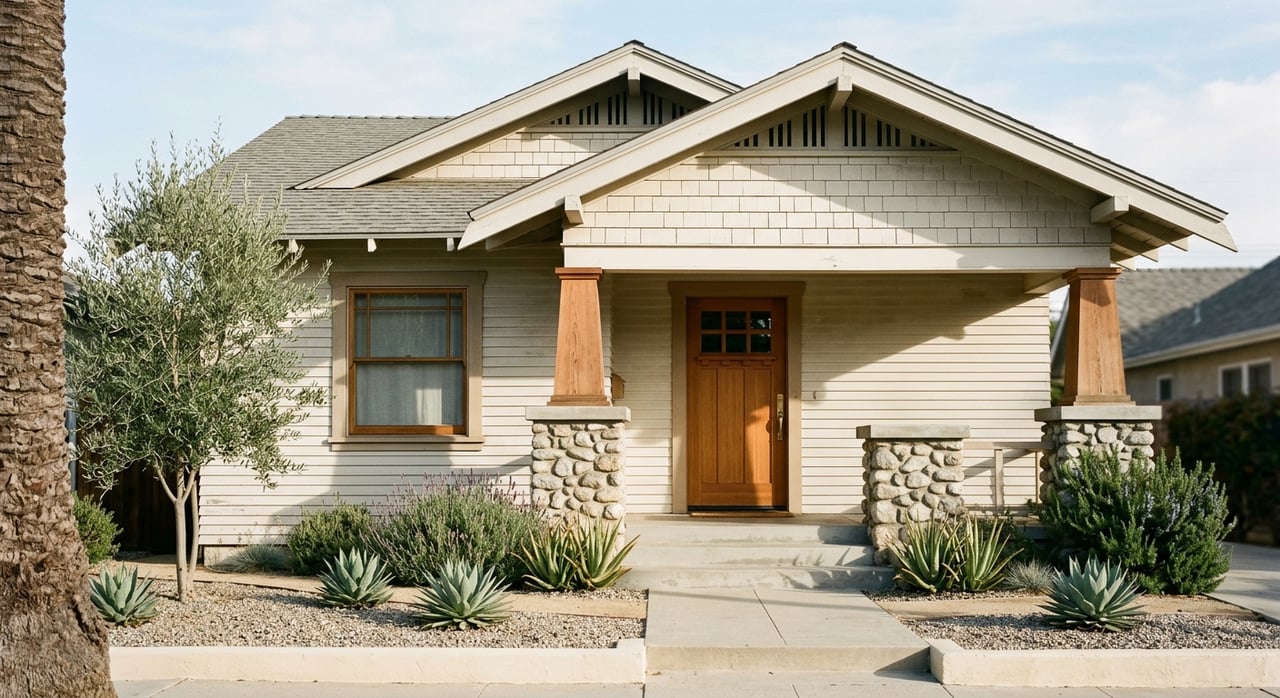
Wondering why one Altadena listing says “Craftsman bungalow,” another says “storybook cottage,” and a third calls itself “mid-century modern”? In Altadena, those labels are not just marketing language. They reflect a housing stock built in distinct waves, which means you can find very different home styles on nearby streets. If you are trying to figure out what these homes really look like, how they tend to live day to day, and which style may fit your goals best, this guide will help you read the market with more confidence. Let’s dive in.
Why Altadena Has So Many Styles
Altadena is not a one-style community. According to Altadena Heritage, it is architecturally diverse, and Los Angeles County historic context materials note that about 90% of its housing units were built before 1979.
That helps explain why the local housing stock feels layered rather than uniform. Two major building periods shaped much of what you see today: a 1920s streetcar-era infill period and a postwar building wave from 1946 into the early 1960s that added many ranch homes across remaining lots.
In practical terms, that means your search in Altadena is often less about finding “the” local style and more about understanding the differences between several important ones. Bungalows, cottages, ranch houses, and modernist homes can all appear within the same broader area.
How To Read Style Terms In Listings
Real estate style labels can overlap, especially in older neighborhoods. In Altadena, that matters because listing language often combines house form, design vocabulary, and marketing shorthand.
“Bungalow” usually refers to a compact early-20th-century house form. “Craftsman” refers to the Arts-and-Crafts design language often paired with that form. “Storybook” is often used more loosely to describe whimsical cottage revivals, while “mid-century modern” points to a postwar design language.
So if you see terms stacked together in a listing, that is not always a red flag. It often reflects Altadena’s layered architectural history.
Craftsman Bungalows In Altadena
What They Look Like
Craftsman bungalows are one of Altadena’s core older-house types. They are typically one to one-and-a-half stories tall with broad, gently pitched gables, a front porch often tucked under the main roof, and visible wood detailing throughout.
Inside, the style often includes an open floor plan by early-20th-century standards, but the overall house form still feels compact. Stained woodwork, trim, doors, and other original details are often important parts of the home’s character.
How They Tend To Live
If you like a home that feels warm, intimate, and clearly defined room to room, a Craftsman bungalow may appeal to you. These homes often feel more contained than later ranch or modern homes, even when the layout is relatively open.
Porches are also part of the lifestyle appeal. They add presence to the front of the house and often help connect the interior to the street in a way that feels distinctly historic.
Why They Matter In Altadena
Craftsman bungalows fit Altadena’s prewar development story. They are tied to the period when the community was growing as a streetcar suburb and modest residential neighborhoods were filling in around transportation corridors.
For buyers, that means these homes are not just visually appealing. They are also deeply connected to the local history of how Altadena developed.
What Buyers Should Notice
If original character is important to you, look closely at visible details such as windows, doors, trim, and woodwork. Preservation guidance treats these features as character-defining elements, which means they often carry more long-term value than cosmetic finishes.
That does not mean every older feature must remain untouched. It does mean that, when you are comparing homes, original details can be a meaningful part of the property’s appeal and upkeep.
Storybook And Cottage Homes In Altadena
What “Storybook” Usually Means
In Los Angeles, Storybook is considered a whimsical variation of Period Revival design. SurveyLA describes it as playful and imaginative, often borrowing from Tudor Revival and pushing it toward more dramatic shapes and details.
Common features include steep gables, asymmetry, rolled or pointed eaves, turrets, faux-thatch roofs, half-timbering, multi-paned or leaded windows, and clinker-brick chimneys. In real estate language, though, “storybook” is often used loosely.
That is why you may also see terms like English cottage, Cotswold cottage, fairy-tale house, or Norman cottage used in similar ways. In Altadena, those labels often point to a broader cottage vocabulary rather than one strict category.
Local Altadena Reference Points
Two local areas help illustrate this part of Altadena’s architectural identity. Janes Village is one of the clearest cottage clusters, with homes built between 1924 and 1926 that Altadena Heritage describes as Norman in style, with steeply peaked roofs and arch-topped French doors.
Norwic Village is another notable example. Altadena Heritage describes it as a cul-de-sac of Norman-style cottages with high gables, half-timbering, and brick chimneys that create a distinctly romantic European-inspired look.
How Cottage Homes Tend To Live
These homes often feel visually distinctive and more intimate than the average bungalow or ranch house. Their smaller scale, irregular shapes, and decorative rooflines can create a lot of charm in a relatively compact footprint.
That same character can also affect upkeep. Because cottage and storybook homes often rely on custom-looking details and less-standard geometry, repairs can be more specialized than in a simpler house shape.
Who They Often Appeal To
If you are drawn to architecture with personality, this category may stand out right away. Buyers who love curb appeal, unique lines, and period character often gravitate toward these homes.
At the same time, it helps to go in with clear expectations. A more whimsical exterior often comes with more nuance in maintenance, materials, and layout.
Ranch Homes In Altadena
What They Look Like
Altadena’s postwar growth added many ranch houses from 1946 through the early 1960s. Ranch homes are generally single-story, horizontal in shape, and built with low-pitched roofs, rambling floor plans, and attached garages.
Compared with earlier houses, ranch interiors often use a more open plan with larger shared living areas and fewer walls or partitions. The result is usually a layout that feels more casual and easier to move through.
How They Tend To Live
For many buyers, the biggest advantage is everyday circulation. A one-level plan can feel simple, functional, and easy to navigate, especially if you prefer fewer stairs and a straightforward flow.
Ranch homes also tend to feel less formal than older house types. If your priority is practical living over highly decorative architecture, this style may offer a strong fit.
Why Ranch Homes Matter Here
Ranch houses are part of Altadena’s postwar growth story. As open land was developed in the years after World War II, these homes helped define much of the area’s next phase of residential expansion.
So while they may not always get the same attention as bungalows or cottages, they are an important part of the local architectural mix.
Mid-Century Modern Homes In Altadena
What Defines The Style
Mid-century modern homes build on some ranch-era ideas but push openness further. City planning materials describe them as having flat or low-pitch roofs, open floor plans, exposed structural elements, extensive glass, and a strong indoor-outdoor connection.
In Altadena, Highview is a useful local reference point. Altadena Heritage describes its homes as compact and low-slung, organized around a courtyard, with open carports, steel-framed roofs, and floor-to-ceiling windows facing the garden.
How They Tend To Live
These homes often feel bright, airy, and closely tied to the yard or courtyard. If you like natural light and a layout that blurs the line between inside and outside, mid-century modern design can be especially appealing.
That openness can come with tradeoffs. Larger glass areas and broad rooflines can make privacy, shade, and original-material upkeep more noticeable factors when you compare options.
Why They Stand Out In Altadena
Mid-century modern homes reflect Altadena’s postwar design evolution. They show how the community moved beyond compact prewar forms into a newer idea of California living centered on openness, light, and outdoor connection.
For buyers who care about architecture, these homes often offer some of the clearest design statements in the local market.
Which Altadena Style Fits You Best?
The right fit depends on how you want your home to feel day to day. While every property is different, a few practical patterns can help guide your search.
- Choose Craftsman if you want porch character, visible wood details, and a strong historic feel.
- Choose storybook or cottage styles if you want the most whimsical look and are comfortable with less-standard geometry.
- Choose ranch if you want a straightforward single-story layout and easy everyday circulation.
- Choose mid-century modern if you want openness, natural light, and a strong indoor-outdoor feel.
These are not hard rules. Altadena varies widely from street to street, and individual homes may blend characteristics from more than one style.
What This Means For Buyers And Sellers
If you are buying in Altadena, understanding style can help you look past listing buzzwords and focus on fit. It gives you a better way to compare layout, maintenance expectations, and long-term appeal across very different homes.
If you are selling, knowing how your home fits into Altadena’s architectural mix can help shape pricing, presentation, and marketing. Buyers often respond best when a home’s style is described clearly and supported by the details that make it distinctive.
A neighborhood with layered housing stock rewards close reading. The more clearly you understand the difference between bungalow, cottage, ranch, and mid-century design, the easier it becomes to spot the home that matches your goals.
If you want help buying or selling in Altadena with a clear, no-pressure strategy, Isabelle Clark offers tailored guidance rooted in local context, thoughtful marketing, and practical advice.
FAQs
What is the difference between a bungalow and a Craftsman home in Altadena?
- A bungalow usually refers to the compact early-20th-century house form, while Craftsman refers to the Arts-and-Crafts design language often used with that form.
What does “storybook home” usually mean in Altadena listings?
- In Altadena, “storybook” is often a loose label for whimsical cottage-style homes with features like steep gables, half-timbering, leaded windows, and other English- or Norman-inspired details.
Are ranch homes common in Altadena?
- Yes. Altadena’s postwar expansion from 1946 into the early 1960s filled many remaining lots with ranch houses.
What makes a mid-century modern home different from a ranch house in Altadena?
- Mid-century modern homes usually emphasize more glass, stronger indoor-outdoor flow, exposed structural elements, and a more design-forward open plan than a typical ranch house.
Why do Altadena neighborhoods have so many different home styles?
- Altadena developed in multiple waves, especially during the 1920s and again after World War II, so homes from different periods and design movements often appear near each other.
